
The Swiss View: Managing Expectations
Welcome back after the summer break to those who had the opportunity to enjoy one. We hope you were able to spend time with family and friends and that the season treated you kindly.
Geopolitical tensions remain elevated, with ongoing conflicts in the Middle East and Ukraine continuing to create uncertainty. At the same time, governments, businesses, and societies are facing growing challenges from hybrid threats, cyber risks, economic fragmentation, and escalating fiscal pressures.
Adding to these concerns, the summer of 2026 has once again demonstrated the economic relevance of environmental risks. Large parts of Europe, including Spain, Portugal, Italy, France, and Turkey, have experienced severe wildfires, causing significant damage to ecosystems, homes, businesses, agricultural production, and tourism. The financial consequences extend far beyond immediate destruction. Public budgets come under pressure, insurance companies face rising claims, and rebuilding efforts require substantial long-term investment (Wildfires in Europe: Is 2026 already the worst year on record? | Euronews). Similar developments can be observed in North America, where recurring wildfires increasingly threaten residential areas and challenge the insurability of properties located in high-risk regions.
Governments are also beginning to feel the heat in a different area: public finances. Debt levels continue to rise across much of the developed world. France's debt-to-GDP ratio has reached approximately 117%, placing it 57 percentage points above the Maastricht reference value of 60%. Japan continues to operate with one of the highest debt burdens globally, while even Germany, traditionally regarded as a model of fiscal discipline, now exceeds the same threshold with a debt-to-GDP ratio of around 63%.
As discussed in previous editions, debt itself is not necessarily a warning sign. When deployed productively, borrowing can contribute to economic growth. The challenge emerges when debt rises persistently faster than the economy that ultimately supports it. At that point, investors begin demanding higher compensation for financing governments and corporations alike.
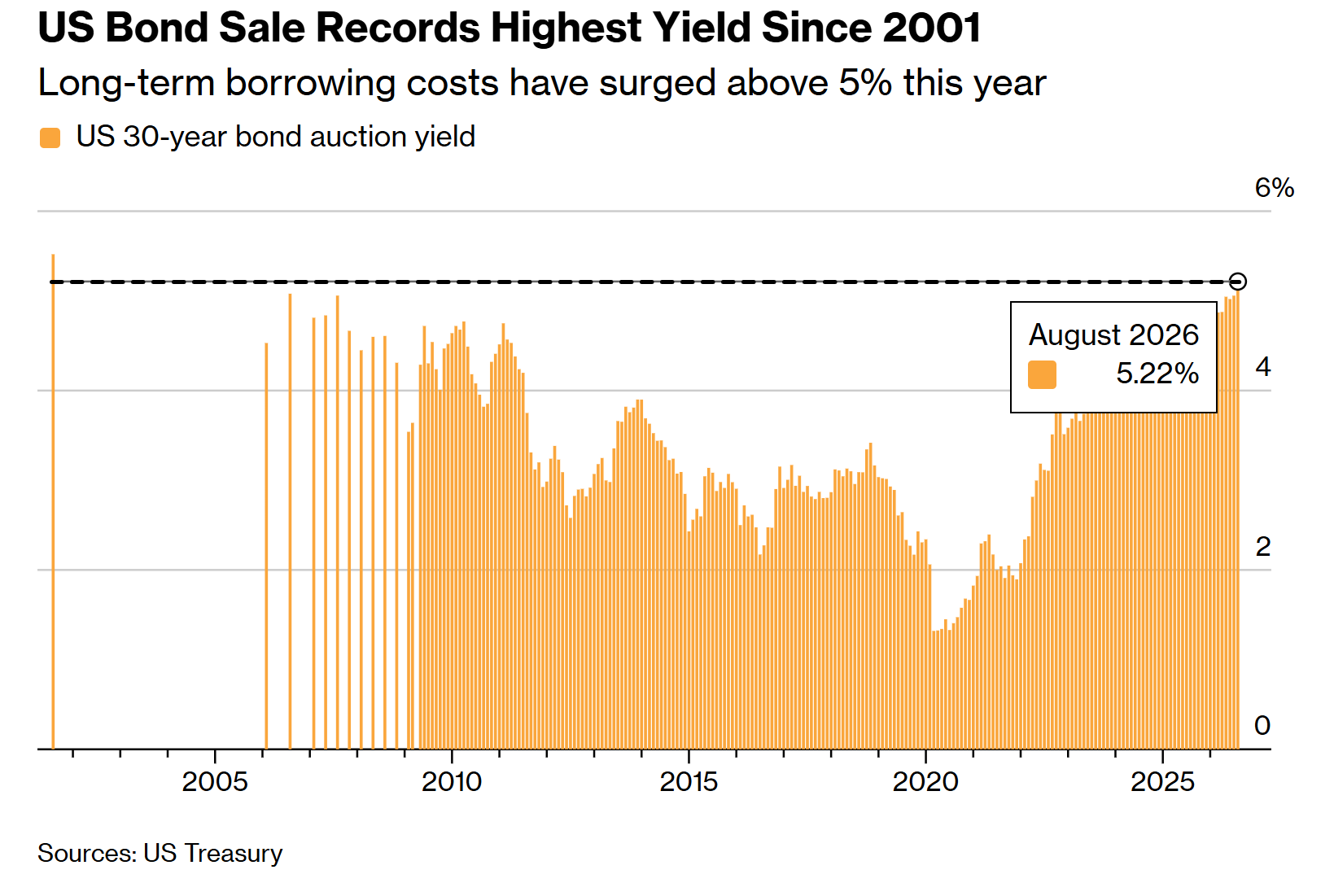
Recent developments in the United States provide a clear reminder that debt still matters. The U.S. Treasury recently issued 30-year bonds at a yield of 5.216%, the highest level in approximately a quarter of a century. Markets may not yet be alarmed, but bond investors are increasingly demanding a higher price to finance growing deficits (Costliest US Bond Sale Since ’01 Is Investor Warning to Bessent - Bloomberg).
Who's Able to Scare the Investors?
A war. Another war. Concerns about private debt. Questions surrounding private equity valuations. Record government debt levels. Currency instability.
None of it appears sufficient to scare investors.
Markets continue to advance, and encouragingly, recent gains are no longer driven exclusively by a handful of mega-cap technology companies. Market participation has broadened, providing a healthier foundation for the rally and reducing concerns surrounding narrow market leadership (The number of stocks beating the S&P 500 is the highest in 4 years. Why that number should rise. | Morningstar).
At first glance, the economic backdrop appears constructive. Growth has generally surprised to the upside, particularly in Europe, while inflation has moderated from its previous peaks. Nevertheless, we believe investors should remain cautious. Beneath the surface, much of today's economic momentum continues to be supported by government spending, accommodative financial conditions, and unprecedented levels of investment directed toward a limited number of industries, most notably artificial intelligence.
This raises an important question: are markets accurately reflecting underlying risks, or have investors become conditioned to assume that every setback represents a buying opportunity?
We do not claim to know when sentiment may change. However, it is noteworthy that some of the world's largest investors are increasingly vocal about the risks they see. Among them is Norway's sovereign wealth fund, the largest of its kind globally. After reporting exceptionally strong returns during the first half of the year, its management nevertheless highlighted the concentration risks emerging from the extraordinary enthusiasm surrounding artificial intelligence (Norway Fund CEO Says He’s More Nervous After Record Returns - Bloomberg).
The concern is straightforward. If a growing share of market performance depends on a relatively small number of companies, even modest disappointment in expectations could have a disproportionate impact on broader markets.
Managing expectations has always been one of the most important aspects of investing. Today, it may be more important than ever.
A good example can be found in South Korea. The country's equity market has attracted considerable international attention this year, with the KOSPI reaching new highs. A significant portion of this performance has been driven by semiconductor leaders Samsung Electronics and SK Hynix, which, in between, together accounted for more than half of the index's weighting (Kospi Index Jumps Toward Bull Market on Samsung, SK Hynix Gains - Bloomberg).
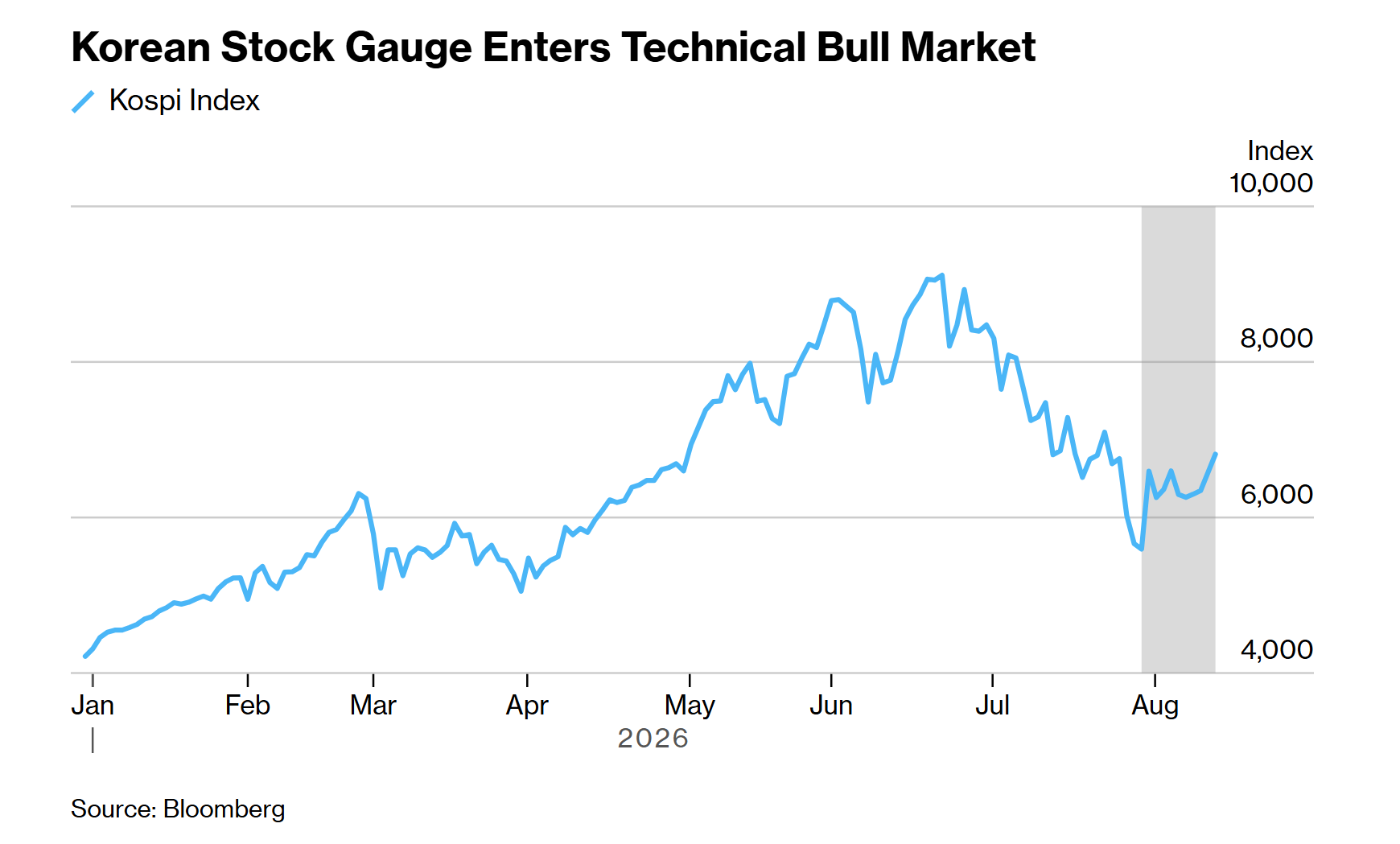 The resulting optimism has encouraged growing participation from retail investors, many of whom have borrowed money to participate in the rally. This is rarely a healthy sign. When investment decisions become increasingly driven by FOMO (Fear Of Missing Out), rather than objective analysis, expectations can become detached from reality. History repeatedly demonstrates that markets are most vulnerable when investors begin to believe prices can only move in one direction.
For us, this does not necessarily signal the end of the rally. However, it does reinforce the importance of active portfolio construction, diversification, and maintaining exposure to sectors and regions that currently receive less attention but may offer compelling long-term opportunities.
Rethinking Fixed Income
Fixed income investments remain an important component of many portfolios. However, their role should always be evaluated within the context of an investor's objectives, liquidity requirements, risk tolerance, and investment horizon.
The discussion ultimately comes down to one simple question: how do we define risk? You can find an interesting article about Javier Estrada’s work here: Stocks vs. bonds: where the risk lies | IESE Insight
For investors who may need access to capital within a relatively short period, risk is often best understood as portfolio volatility. If assets must be liquidated during a market downturn, temporary losses can become permanent. In such circumstances, fixed income investments can help reduce volatility and provide stability.
For investors with substantially longer time horizons, however, risk may be viewed differently. Rather than focusing on short-term market fluctuations, the primary concern becomes the portfolio's ability to achieve long-term objectives and preserve purchasing power.
This shift in thinking has reignited the debate regarding portfolio construction.
For decades, the traditional 60/40 portfolio has been considered one of the most effective approaches to balancing growth and stability. Yet a growing number of market participants question whether this framework remains optimal in an environment characterized by elevated inflation, rising government debt, and increasing geopolitical uncertainty.
One of the more prominent alternatives was proposed by Mike Wilson, Chief Investment Officer at Morgan Stanley in September 2025. Rather than allocating 60% to equities and 40% to fixed income, his 60/20/20 approach reduces fixed income exposure to 20% while allocating the remaining 20% to gold.
The underlying argument is straightforward. If inflation remains structurally higher than it was during the previous decade and government debt continues to rise, real assets such as gold may offer superior protection compared to traditional bonds.
Whether this approach ultimately proves superior remains to be seen. What matters is not copying someone else's allocation model but understanding the assumptions behind it and determining whether those assumptions align with your own financial objectives.
When the Largest Creditor Holds Your Debt
Many investors still associate foreign ownership of U.S. government debt primarily with China. While China remains a significant holder of U.S. Treasuries, Japan has occupied the number one position for some time (ticdata.treasury.gov/resource-center/data-chart-center/tic/Documents/slt_table5.html).
One of the reasons lies in the popularity of the so-called carry trade.
The principle is simple. Investors borrow in a currency with low interest rates, such as the Japanese yen, and invest in assets denominated in a higher-yielding currency, often U.S. dollars. As long as exchange rates remain relatively stable and the interest-rate differential persists, the strategy can be highly profitable.
The problem arises when large numbers of investors pursue the same strategy simultaneously.
The volatility experienced in August 2024 provided a reminder of how rapidly carry trades can unwind when market conditions shift. What appeared to be a safe bet suddenly created significant volatility across currency, bond, and equity markets.
For Japan, a weak yen creates an additional challenge. While exporters benefit from increased competitiveness, consumers suffer from rising import costs. This contributes to inflation and reduces purchasing power, particularly in an economy that is heavily dependent on imported energy and raw materials.
Meanwhile, the U.S. dollar continues to benefit from its role as the world's primary reserve currency. This does not guarantee constant appreciation, but during periods of uncertainty, global capital still tends to seek refuge in dollar-denominated assets. Ironically, this demand can strengthen the dollar even when the United States itself is deeply involved in the events causing the uncertainty.
The close economic ties between the United States and Japan have also resulted in periodic efforts to stabilize currency markets. However, these interventions have generally proven temporary, and the broader forces driving exchange rates tend to reassert themselves over time.
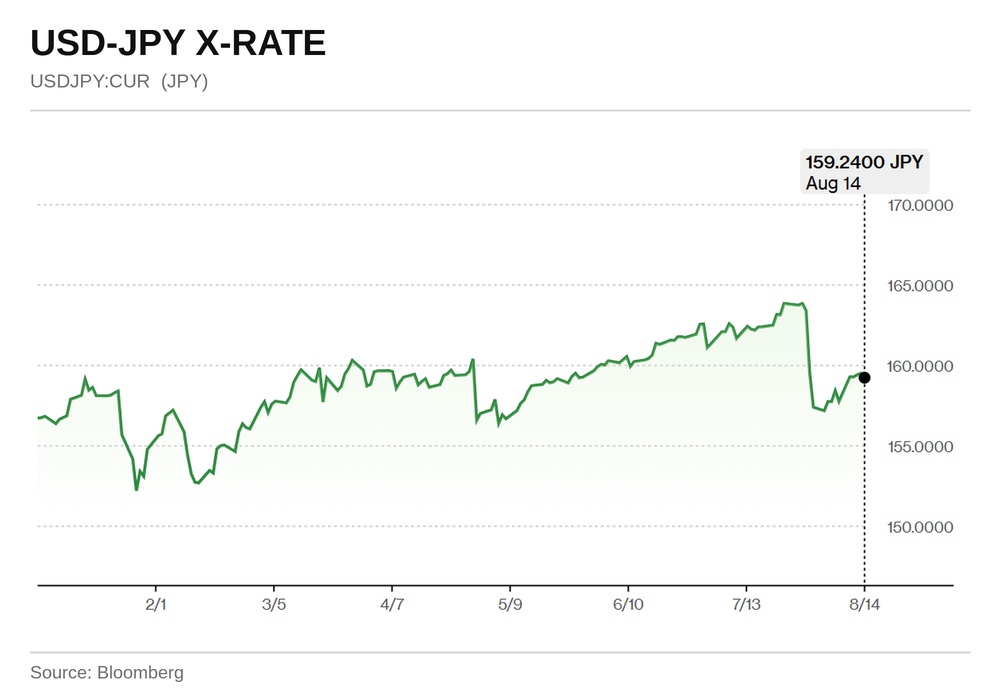
While the U.S. dollar has regained strength in recent months, we believe this move should be viewed in context. The dollar experienced a significant decline throughout much of 2025 and the early part of 2026. Viewed from a longer-term perspective, the current strength appears more likely to represent a countertrend rally than the beginning of a new structural bull market.
Longer term, rising fiscal deficits, growing debt burdens, and increasing efforts among several nations to reduce dependence on the dollar suggest that the structural challenges facing the currency remain intact.
Gold's Role
After reaching record highs earlier this year, precious metals entered a period of consolidation. Such pauses are neither unusual nor unhealthy. In fact, they are often necessary components of longer-term bull markets.
At WHVP, we continue to view precious metals as more than a tactical trade. We consider them an important strategic component within a diversified portfolio.
This does not mean prices will rise uninterrupted, nor do we pretend to know precisely where short-term corrections may end. Markets rarely move in straight lines.
What we do find noteworthy is the resilience displayed by both gold and silver. After their correction earlier this year, despite fluctuations in investor sentiment, changing monetary policy expectations, and a strengthening U.S. dollar, both metals have maintained some stability. Gold and silver appear to have established relatively stable support levels around USD 4,000 per ounce and USD 60 per ounce respectively, reflecting continued demand despite changing market conditions.
We believe this resilience highlights an important shift. Demand for precious metals is increasingly driven not only by speculative investors but also by structural buyers, including central banks, long-term investors, and institutions seeking assets that exist outside the traditional credit system.
Looking ahead, geopolitical developments and the direction of the U.S. dollar are likely to remain key drivers. Should the recent dollar strength prove temporary, as we expect, precious metals could continue to benefit from their role as stores of value and effective portfolio diversifiers.
As J.P. Morgan famously stated more than a century ago: "Gold is money. Everything else is credit." While the financial system has evolved significantly since then, the quote continues to capture an important truth about the role precious metals can play in preserving purchasing power over the long term.
Closing Thoughts
Markets currently appear remarkably resilient in the face of challenges that historically would have generated significantly more caution among investors.
Perhaps the optimism is justified. Perhaps artificial intelligence will deliver the productivity gains many anticipate and support the valuations currently embedded in markets. We certainly hope that is the case.
Nevertheless, hope is not an investment strategy.
Whether discussing public debt, artificial intelligence, fixed income, currencies, or precious metals, the central question remains one of expectations.
At present, expectations across many areas of the market appear optimistic. That does not mean they are wrong. It simply means that the margin for disappointment has become smaller.
Managing expectations remains one of the most effective tools available to investors. History repeatedly reminds us that periods of enthusiasm are often followed by periods of disappointment. Maintaining a disciplined investment process, focusing on long-term objectives, and remaining diversified are often far more valuable than attempting to predict the next market move.
As always, we welcome your thoughts. If you agree, disagree, or believe we may have overlooked an important consideration, we would be delighted to hear from you. Meaningful dialogue remains one of the most valuable tools for learning, growth, and making better decisions.
We wish you a pleasant remainder of the summer and look forward to continuing the conversation.
Want to Discuss What This Means for Your Portfolio?
Markets may be resilient, but that does not mean every investor should respond in the same way. Portfolio decisions should reflect your individual objectives, time horizon, liquidity needs, and tolerance for risk. If you would like to discuss how current market developments may affect your broader wealth management strategy, we would be happy to speak with you.
Schedule a free consultation today to explore how international diversification can strengthen your financial future.
This content is for informational purposes only and does not constitute investment advice, legal advice, tax advice, or an offer or solicitation to buy or sell any security. Investing involves risks, including the possible loss of principal. International investing may involve additional currency, political, regulatory, liquidity and custody risks. WHVP AG is regulated in Switzerland by FINMA and is an SEC-registered investment adviser. Registration or licensing does not imply endorsement and does not guarantee investment outcomes. U.S. persons should consult their qualified tax and legal advisers regarding cross-border planning and reporting considerations.