History of U.S. Government Defaults: Gold, Debt and the Digital Dollar
As we move deeper into the year and look forward to longer days and brighter summer skies, the geopolitical climate remains anything but calm. From a Swiss perspective, grounded, observant, and traditionally neutral, the contrast could hardly be sharper.
In this episode of The Swiss View, Urs and Jess explore the economic realities shaping the United States, the European Union, and Switzerland. The conversation moves from GDP performance and what it reveals about the strength of each economy to the everyday impact Americans are feeling at the gas pump, tying it all back to the global price of oil per barrel and the broader energy market.
In this episode of Swiss View, Jess Roberson and Jamie Vrijhof unpack the growing dilemma facing central banks as global uncertainty continues to mount. They begin with the fragile US-Iran ceasefire—asking the key question: will it hold, even in the short term? The discussion explores potential market and economic consequences if tensions re-escalate, and how quickly sentiment can shift in such a volatile geopolitical environment.
A strong start to the year quickly gave way to renewed uncertainty as geopolitical tensions resurfaced. Markets have once again shown how fragile short-term optimism can be. In this environment, the real challenge is not the events themselves, but the uncertainty they create. For investors, standing still is rarely the answer—disciplined diversification and a long-term perspective matter more than ever.
In this episode, Jess Roberson and Urs Droese explore how global markets are reacting to rising geopolitical tensions. Beyond market movements, they examine investor behavior: why fear and optimism often coexist, how emotions drive decisions, and what patterns emerge in uncertain times. Tune in for insights that blend macroeconomic analysis with behavioral finance, offering a clear perspective on navigating market turbulence.
In this episode of Swiss View, WHVP examines the latest developments in President Trump’s global tariff policy, including the newly announced 10% worldwide tariff and its rapid increase to 15% under Section 122 authority. The discussion unpacks the legal framework behind these measures and explores what escalating tariffs could mean for global markets, supply chains, and economic growth.
In a recent conversation with Dennis Miller on Miller on the Money, Urs Vrijhof-Droese, Managing Partner of WHVP, shares his perspective on how monetary policy, structural debt, and international diversification influence portfolios today. He emphasizes the importance of long-term planning, disciplined diversification, and understanding structural risks rather than chasing short-term predictions. From the U.S. to Europe and Asia, the discussion explores how interconnected markets respond to debt, currency pressures, and geopolitical trends—and why currencies like the Swiss franc remain a unique anchor in uncertain times.
As the Winter Olympics highlight discipline and preparation, today’s global economy calls for the same mindset. Beneath resilient markets lies a growing concern: rising sovereign debt, shifting currency confidence, and increasing reliance on government spending. Are investors witnessing strength—or complacency? And how should you position your wealth in response?
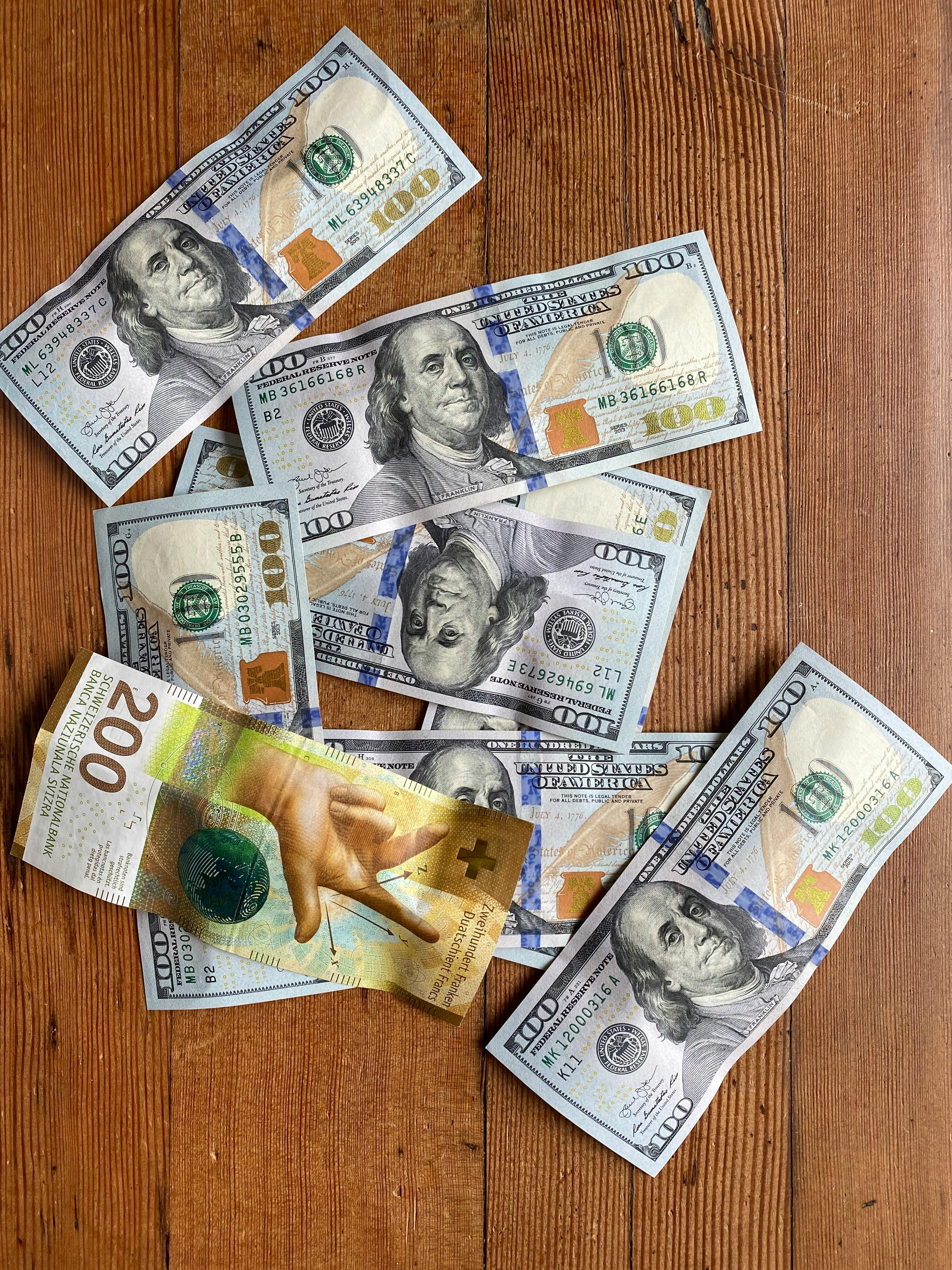
More Americans are turning to Swiss banking and currency diversification in 2026 to safeguard their wealth from inflation, market volatility, and dollar devaluation.
In a year marked by market volatility, currency shifts, and emotional headlines, staying calm and diversified proved more valuable than ever. In this edition of The Swiss View, we explore how Swiss-based international investing and reducing USD exposure helped protect client portfolios—and why equanimity remains the key to long-term wealth preservation in 2026.
Black Friday reached record levels this year — but the headline numbers only tell part of the story. In the newest episode of The Swiss View, Jess Roberson and Urs Vrijhof-Droese examine what rising prices, fewer true discounts, and shifting consumer behavior may signal about the underlying strength of the U.S. economy.
As the U.S. dollar weakens and data breaches rise, more Americans are looking offshore to protect what they’ve built. Discover why Switzerland remains the world’s safest hub for banking and how WHVP helps U.S. clients preserve wealth, reduce risk, and gain true international diversification.
As questions about market stability and economic reality grow louder, this interview with WHVP’s Urs Vrijhof-Droese offers a timely and clarifying perspective. Published on Miller on the Money — a free newsletter released on a weekly basis — Dennis Miller and Urs explore the widening gap between soaring stock indices and real-world economic pressures, the risks of market concentration, and how different regions navigate mounting financial challenges. For readers seeking a grounded, international view of today’s shifting economic landscape, this discussion provides clear insight and valuable context.
As the year draws to a close, global markets continue to deliver a mix of surprises and challenges. From renewed trade agreements and resilient U.S. markets to signs of recovery in Europe and encouraging news from Switzerland, the investment landscape remains complex—but not without opportunity.
Global instability is reshaping markets. In this episode of The Swiss View, we discuss government debt, currency shifts, and precious metals amid geopolitical tension. Discover why Switzerland’s stability stands out and what investors can learn from the latest global developments.
When the music stops, will markets still keep the rhythm? Despite record-high stock indices, economic warning signs are everywhere: rising debt, lower interest rates, and mounting global tensions. This edition of The Swiss View looks at the growing gap between market performance and economic reality—and what it means for investors navigating uncertain times.
The Digital Euro is moving closer to becoming a reality, but some clarity is needed to bring the conversation to a more informed level. The recent U.S. job revisions are raising questions about the real strength of the American labor market and how this might affect future Federal Reserve policy. Both the Federal Reserve and the Swiss National Bank are heading into pivotal interest rate decisions; meanwhile, Swiss economic sentiment has started to soften, and we assess what the latest indicators are signaling about growth risks and market confidence.
Worried about the future of the U.S. dollar? Discover why more Americans are turning to the Swiss Franc as a stable, long-term store of value. In this post, we explore the benefits of currency diversification, the unique strength of the Swiss Franc, and how you can safely shift part of your wealth offshore—without the stress.
The U.S. has slapped a steep 39% tariff on Swiss imports, a move that threatens small businesses and could strain long-standing trade ties. Will Switzerland’s economy show resilience, or could extended tariffs risk slowing growth in key sectors? Looming beneath the headlines of the U.S.’s record stock markets are fragile consumer confidence and mounting political pressure on the Federal Reserve. These forces together signal an undercurrent of uncertainty with potential global repercussions. So is the sky falling, or are there opportunities to be found?